What happened
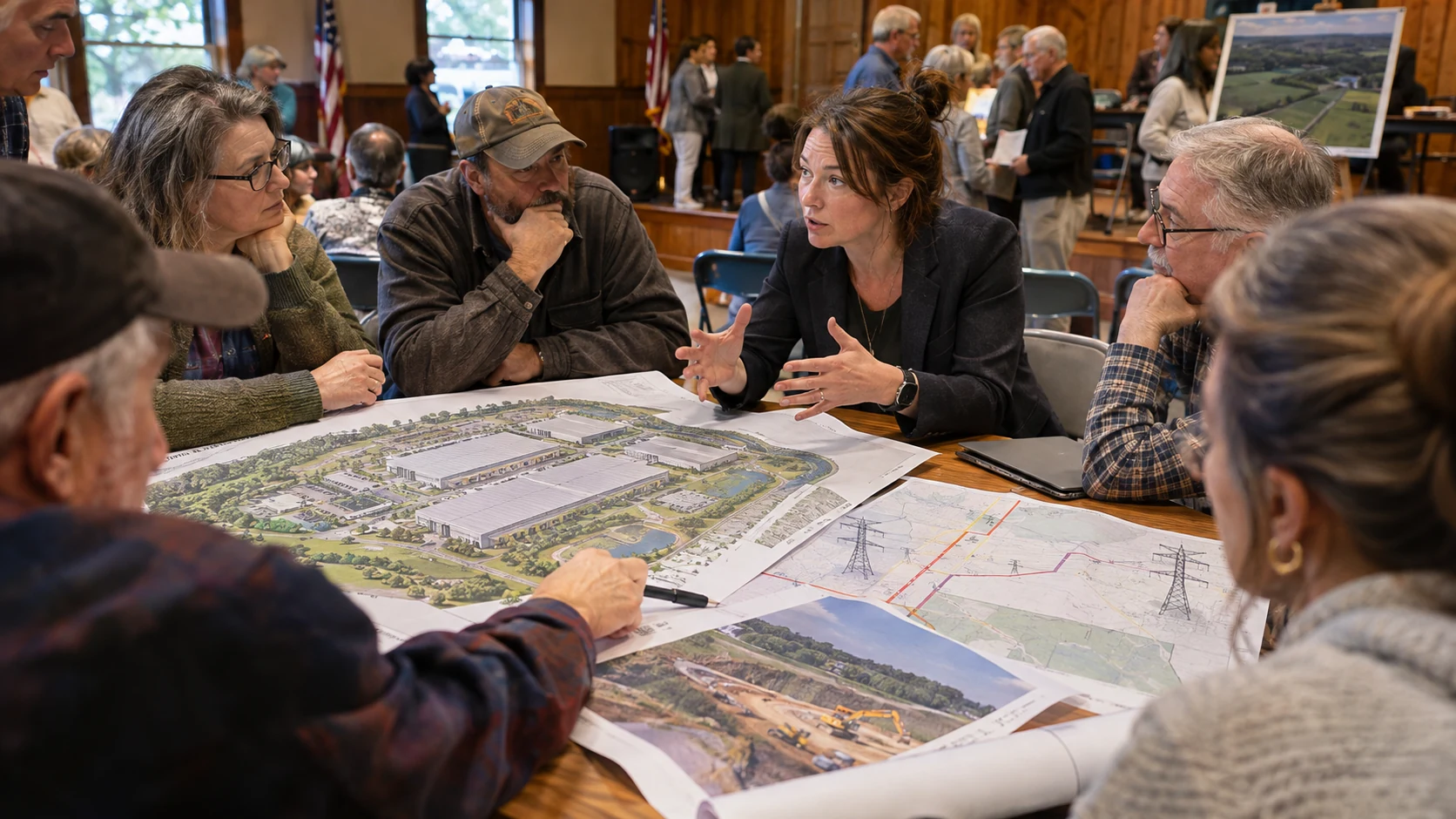
Voters in more than 30 localities spread across nine US states backed moratoriums, outright bans and other restrictions on data centers in Tuesday's elections, Semafor reported. Some of the measures targeted particular projects already in progress, and the results amounted to a broad rejection of the facilities almost everywhere they appeared on ballots.
In Edgewater, Fla., a large majority approved writing a prohibition on data centers into the city charter. Voters in Perry, Ohio, adopted a measure that imposes financial and operational conditions on hyperscale operators seeking tax incentives. The two votes show the range of tools on ballots, from permanent charter language to conditions tied to public incentives.
Data centers also featured in candidate races. According to one analysis, Democrats in more than 130 federal and gubernatorial contests ran advertising critical of tech companies or data centers this cycle. The pressure led some Republican candidates to promise stricter rules, among them Greg Abbott, the governor of Texas, who had championed AI only months earlier. He was defeated regardless.
Context
Investors had already been growing wary of the scale of AI infrastructure spending before the vote. Banks and asset managers backing the buildout have started to regard local pushback as a credit risk, and hyperscalers are moving quickly to hire community liaisons. Some tech companies have also tried calling the facilities compute campuses instead, an effort that has met with uneven success, according to reporting by Ashley Gold.
The briefing
The week in tech, in one email.
The dispatches worth your time, every week. Unsubscribe anytime.