What happened
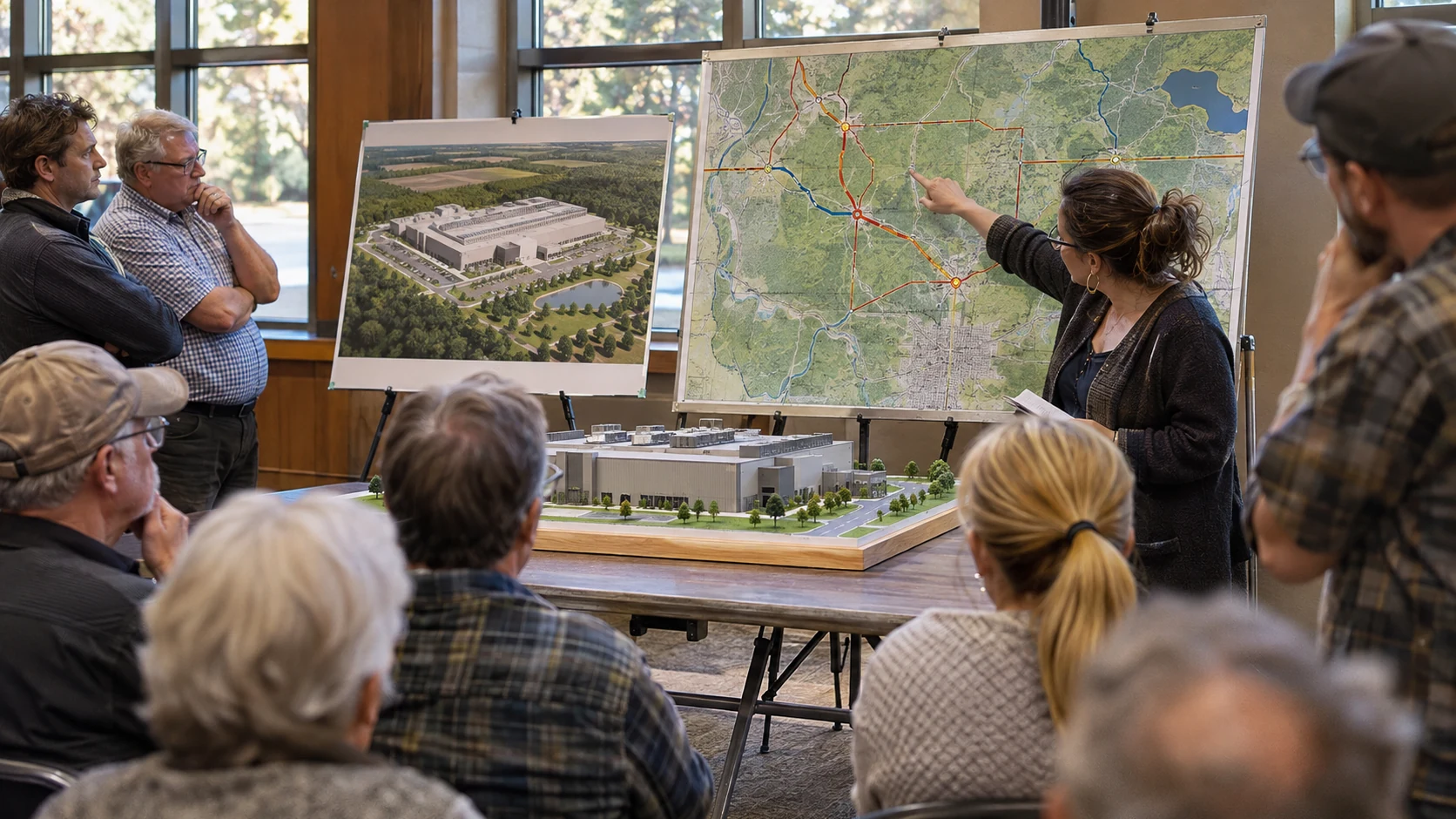
Opposition to data centers became a cross-party issue in the November 3 U.S. midterms, which gave Democrats control of Congress while Republicans hold the White House, TechCrunch reported. In an NBC exit poll, more than half of respondents expected AI to do more harm than good. Close to 80% opposed new data centers near their homes, and almost 60% said the facilities weighed heavily in how they voted.
Ohio saw some of the strongest pushback. OpenAI has considered a $500 billion data center in the state, supported by over $100 billion in Nvidia financing. The Ohio county Meta had picked for a planned 700,000-square-foot site passed a ban on data centers, and communities statewide largely rejected buildout measures. Candidates opposing rapid expansion won in Georgia, Michigan, Texas, Nevada, Maine and South Carolina, despite millions spent by pro-AI super PACs.
Goldman Sachs expects Democratic gains to delay construction in Georgia and Texas. Morgan Stanley analysts view Ohio's Democratic governor-elect, Amy Acton, as a major risk to the state's buildout. In Congress, a nationwide moratorium bill put forward this year by Rep. Alexandria Ocasio-Cortez and Sen. Bernie Sanders could gain ground but faces a possible veto. Nadine Smith of Color of Change said a blanket freeze remains disputed even among Democrats.
Context
Data centers have drawn billions of dollars in tax breaks, but residents have objected to environmental effects and to having little input. Amazon built a facility in Gilroy, California, under a 45-year-old zoning law without many locals knowing, and some officials have signed NDAs that bar them from discussing projects. Gas turbines powering xAI's Memphis site and facilities in Virginia have drawn particular environmental concern.
The briefing
The week in tech, in one email.
The dispatches worth your time, every week. Unsubscribe anytime.